
Article
What artists can do before, during and after a show
A practical editorial guide for artists who want to protect atmosphere without damaging connection.
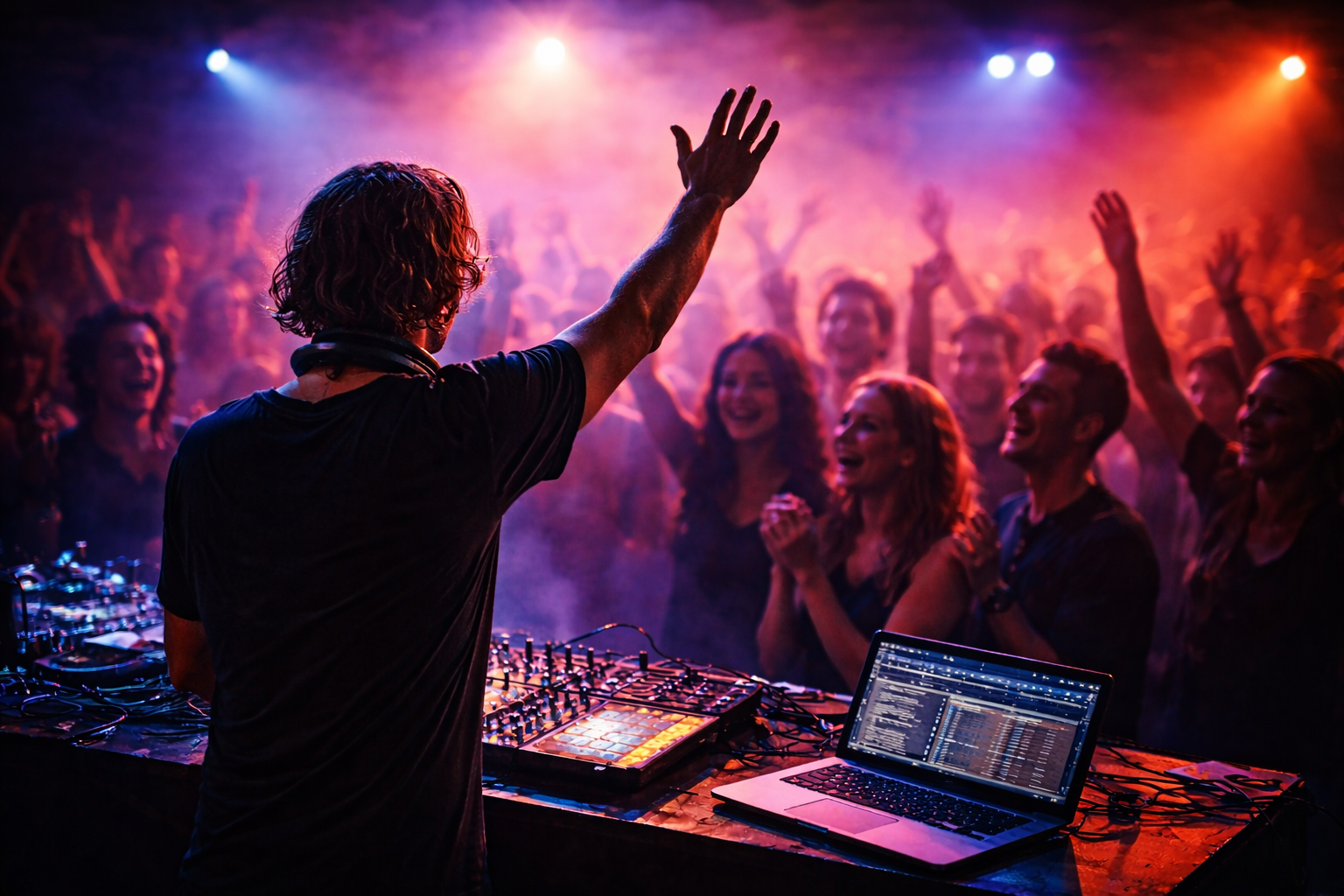
Before the show, communication matters. Ticket copy, teaser captions and event descriptions can already prepare audiences for a different kind of experience. If the only promise is spectacle, people arrive ready to capture it. If the promise includes immersion, closeness and shared presence, the audience arrives differently.
During the show, timing matters more than volume. A short sentence at the right moment can be far more effective than a long speech. The message should be simple, human and in the artist's own voice. It can be warm, playful, emotional or direct, but it should feel real.
The stage environment matters too. Visual screens, lighting design and dedicated camera moments can all reduce the pressure to record constantly. When people feel there will be one or two acceptable moments to document, they are less likely to hold up a device for the entire set.
After the show, the story continues. The way the artist posts, captions and reflects on the event teaches the audience what kind of experience they participated in. If the post celebrates atmosphere, connection and the feeling in the room, it reinforces the values that made the event special in the first place.
Presence is not created by one speech. It is built through consistency. Artists who understand that can shape their audience culture over time without turning the relationship into a struggle.