
Article
Why audiences remember presence more than perfect capture
The memory that stays is usually emotional, embodied and social, not technically perfect.
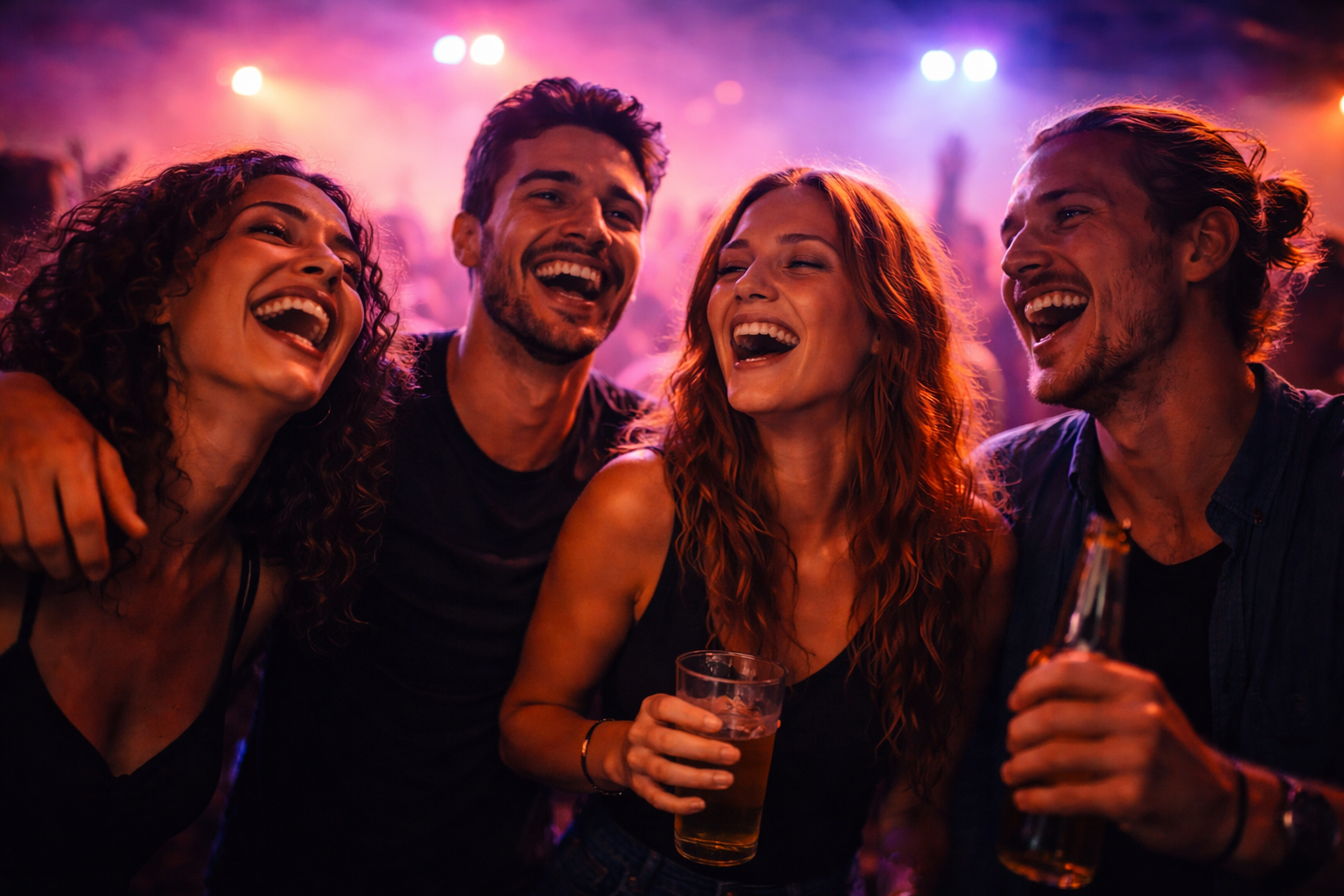
What people remember years later is rarely just the visual proof. They remember how a room felt when the lights dropped. They remember one transition, one line, one look on stage, one stranger singing next to them, one silence before impact. Those memories are not always crisp in a technical sense, but they are emotionally exact.
This matters because constant capture can create an illusion of preservation while reducing actual immersion in the present. The more a person divides attention between experience and recording, the less fully they inhabit either one.
That does not mean every filmed memory is false. It means the hierarchy is often reversed. The strongest memory is created first by participation. Documentation can support it, but cannot replace it.
For audiences, this is not a moral issue. It is a question of value. What kind of event do you want to carry with you afterward? One that survives as a clip in a camera roll, or one that remains vivid because you were truly inside it?
The answer will not be identical for everyone. But the more this question enters the culture, the more likely it becomes that live events recover some of the depth that endless self-documentation has quietly diluted.